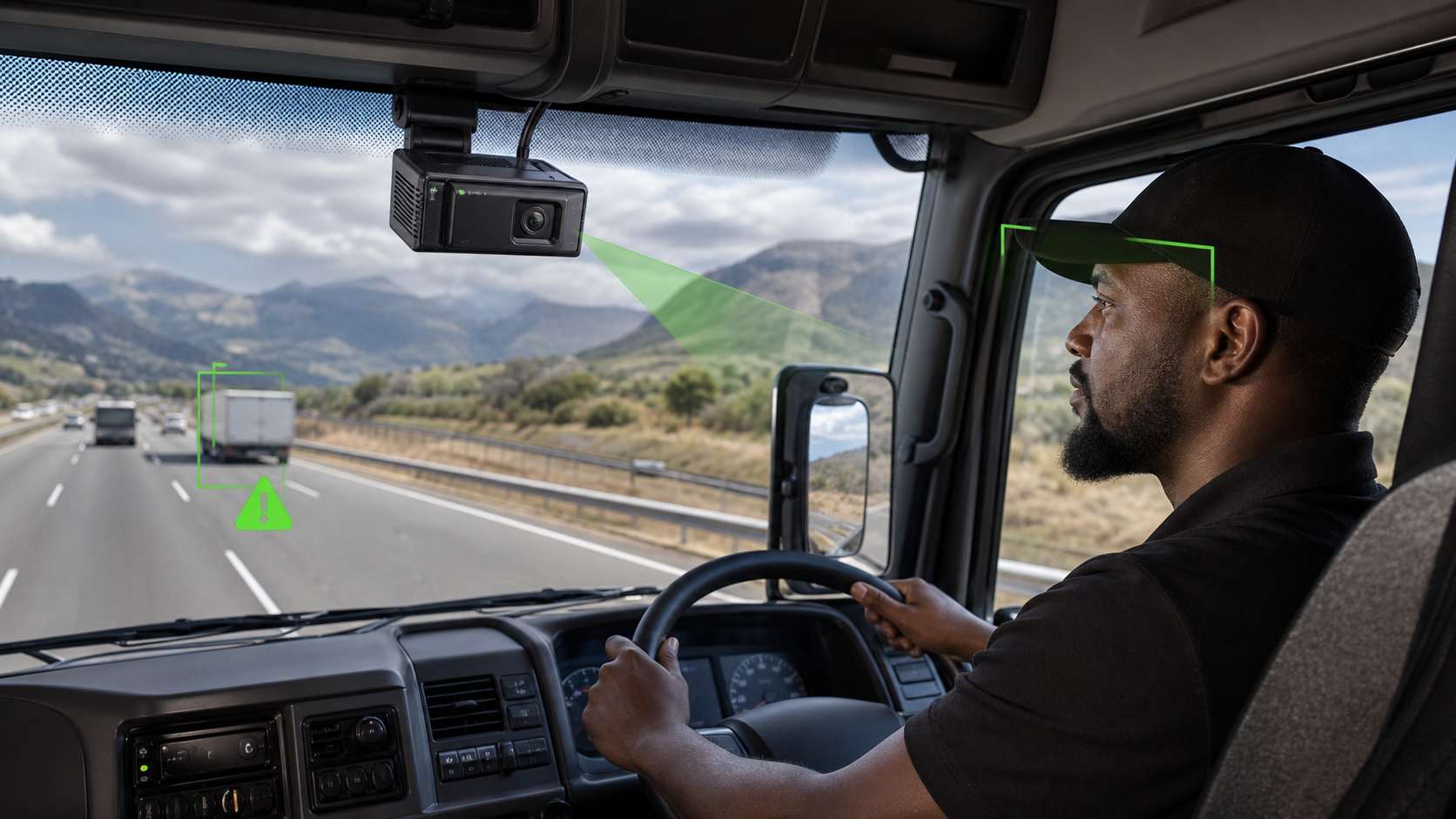
At a glance, both AI cameras and standard vehicle cameras record what’s happening on the road. But the difference lies in what they do with that information.
📹 Normal Vehicle Cameras
A traditional vehicle camera is primarily passive. It records video footage of driving activity and stores it for later review.
This means:
- You only see events after they happen
- Human review is needed to identify issues
- Limited insight into driver behaviour in real time
It’s useful for evidence, but it doesn’t actively help prevent incidents.
🤖 AI Vehicle Cameras
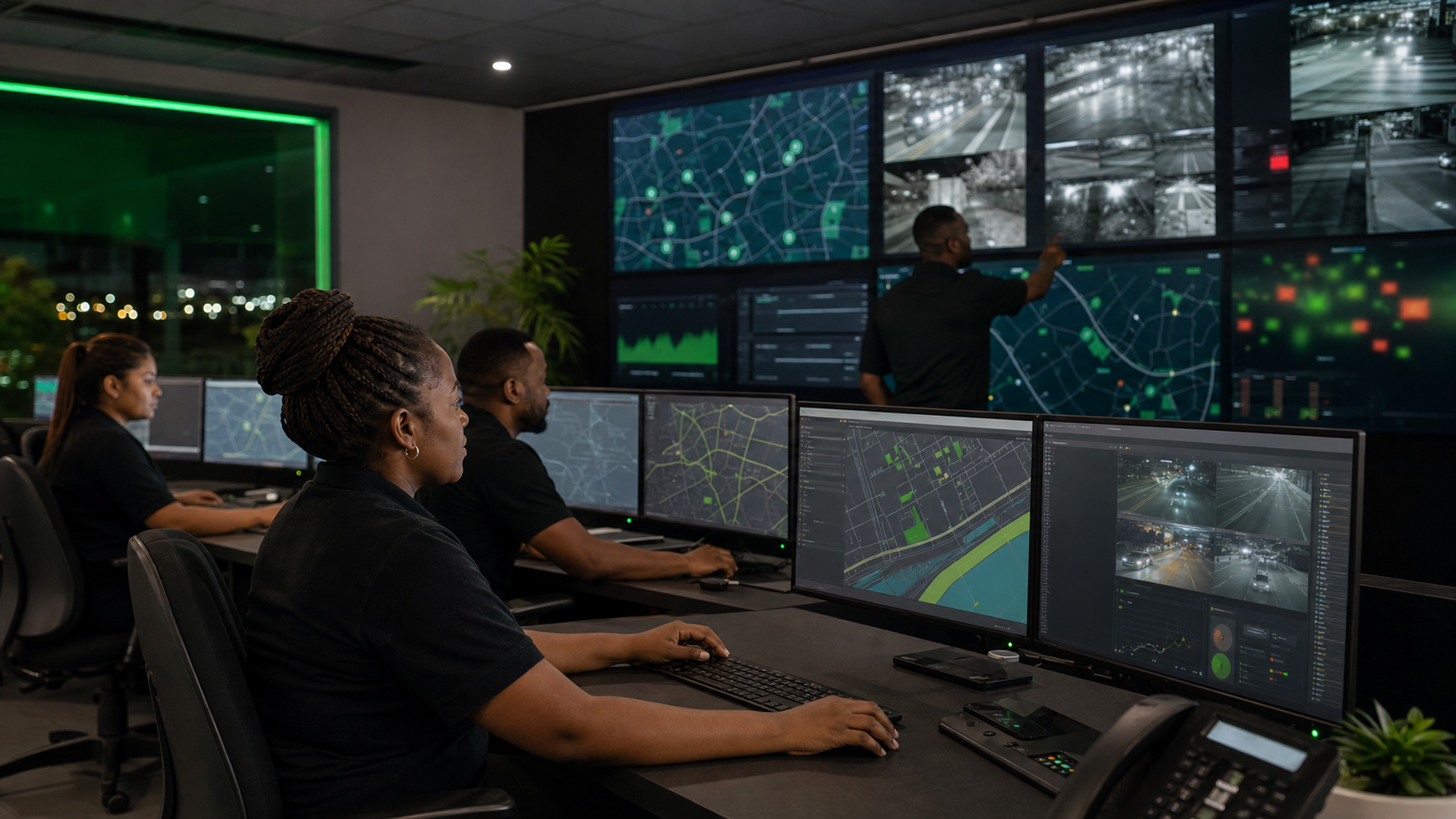
AI-powered cameras go a step further. They don’t just record—they analyse in real time.
They can detect behaviours such as:
- Distracted or fatigued driving
- Mobile phone use
- Harsh braking or cornering
- Tailgating or unsafe following distance
When risky behaviour is detected, alerts can be triggered instantly, allowing intervention before an incident occurs.
🔍 The Key Difference
A normal camera shows you what already happened.
An AI camera helps prevent what might happen next.
🚛 Why It Matters
For fleet operators, this shift is significant. AI cameras improve safety, reduce accident risk, lower insurance exposure, and create a proactive safety culture—not just a reactive one.
Bottom line:
Normal cameras record. AI cameras protect.
Top of Form
Bottom of Form